
Five application routes for ethylene vinyl acetate film, each covered on its own page.
Compare Applications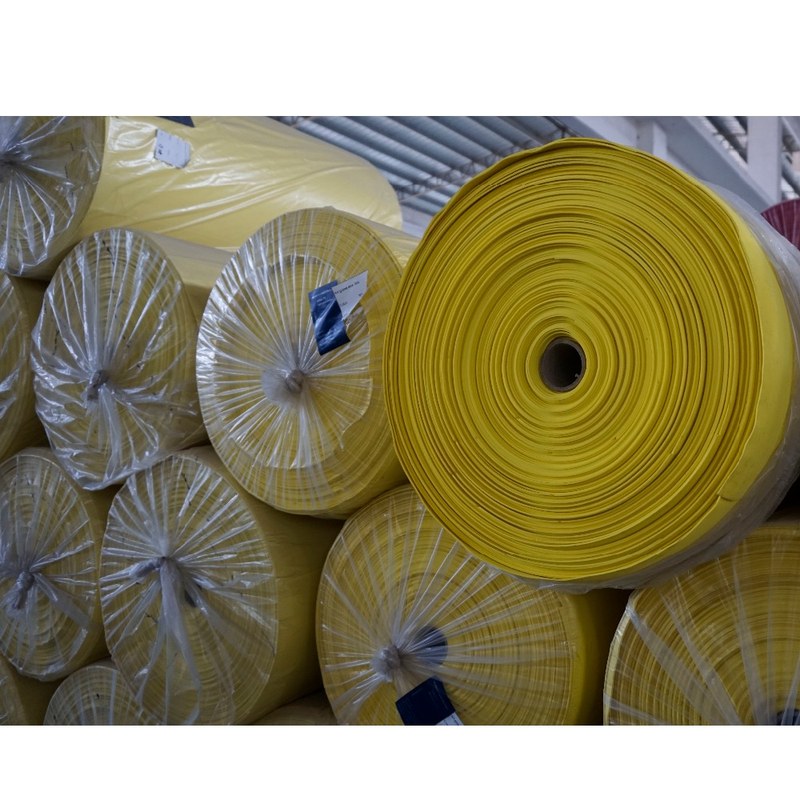
The same base polymer serves very different end uses. The deciding factors are film form, process and service environment.
EVA film can act as an encapsulant around solar cells, a bonding interlayer in glass, a heat-activated adhesive layer, a binding layer in switchable glazing. Each page below describes the role of the film rather than treating all uses as interchangeable.
Use the index to reach the page that matches your part, then follow the product and comparison links to narrow the choice.
Five dedicated pages, each with its own property notes, process guidance, product links and related articles.
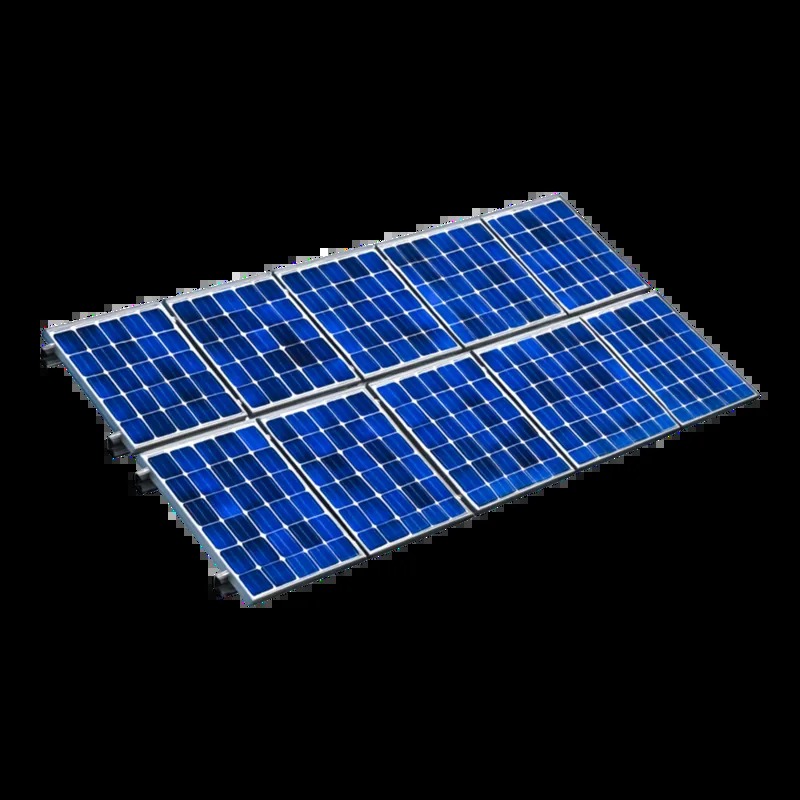
Encapsulant film for photovoltaic modules and cell protection.
Learn more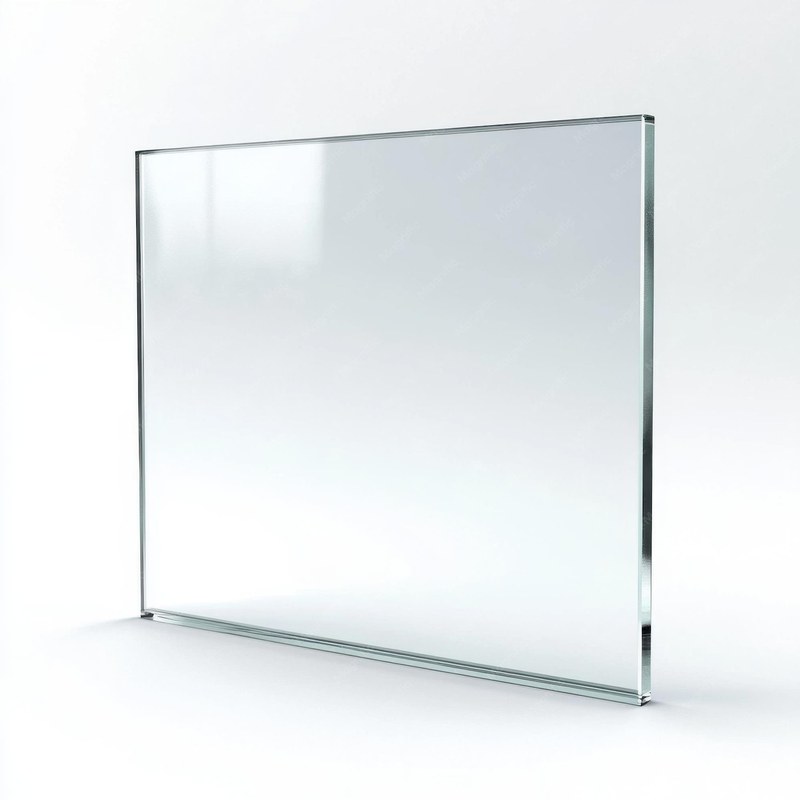
Interlayer film for architectural and safety glazing.
Learn more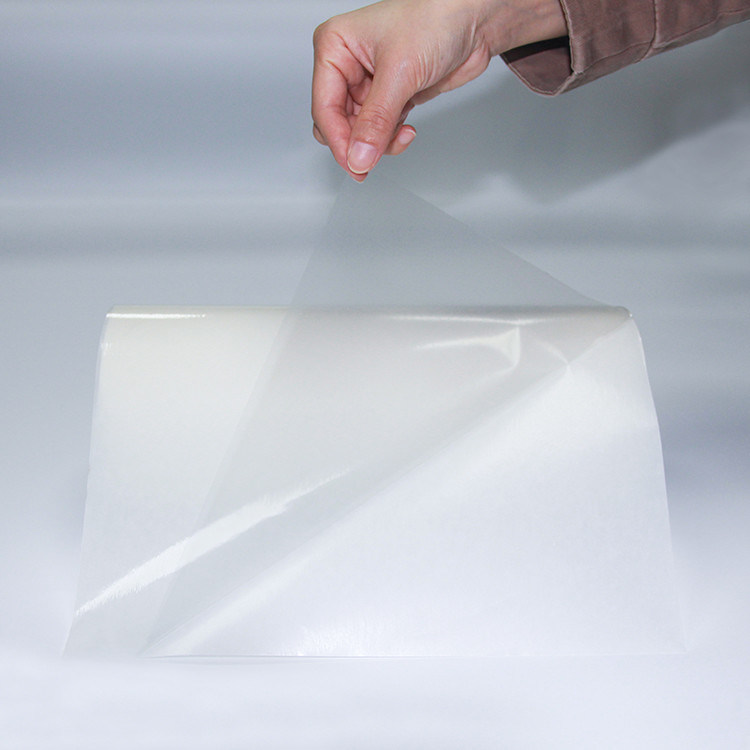
Heat-activated, solvent-free bonding film.
Learn more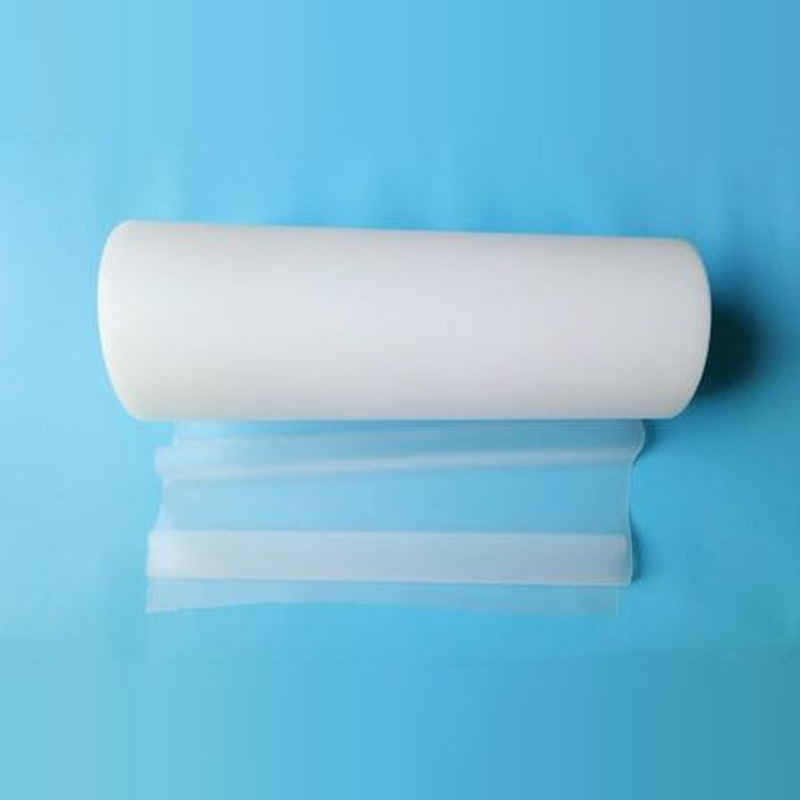
Binding layer for switchable glazing systems.
Learn moreCommon terms used for these applications. Select a term to open the matching page.
Before choosing a film, fix the substrate, the process window and the environment the finished part will see.
A solar encapsulant is judged on insulation and long-term protection; a glass interlayer on bonding and clarity; a hot melt film on activation and bond strength; a smart-glass layer on uniformity. These are different questions, which is why each application is treated separately.
Articles tied to the application pages above.
EVA solar encapsulation guide covers the layer stack and curing behaviour.
EVA interlayer for laminated glass explains bonding and clarity.
EVA film in PDLC smart glass looks at layer uniformity.
Reach our sales contact directly for EVA film selection and product questions.
Julie Gong
Bouling Chemical Co., Limited
Email, call or message our sales contact directly. We reply to product and application questions.
Scan to chat with Julie Gong on WhatsApp.


